How Will Political Changes Affect Study Abroad Programs by 2025?
12 November 2024
Studying abroad has always been a transformative experience, offering students worldwide opportunities to gain a global perspective, advance academically, and immerse themselves in new cultures. However, with the evolving political landscape, study abroad programs face potential shifts that may significantly impact students’ options and experiences by 2025. Political changes affecting study abroad programs include adjustments in visa policies, immigration rules, education funding, and international relations, all of which play a central role in shaping students’ experiences abroad. This blog delves into how current trends may impact study-abroad policies in 2025 and beyond, from visa requirements to government policies on international education.
1. Visa Changes and Immigration Policies for Students 2025
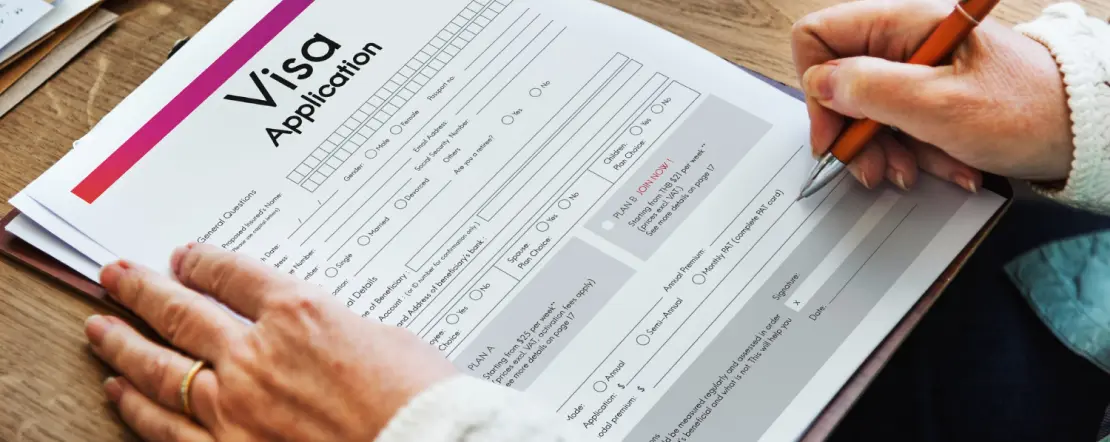
Visa policies are at the heart of international study programs. As countries adjust their immigration policies, international students often feel the effects first. By 2025, visa changes for students could reflect stricter or more streamlined processes, depending on diplomatic relations and domestic policies.For instance, many nations are reconsidering their education visa policies to balance open borders with security. Countries like the U.S., UK, and Australia, leading destinations for international students, may introduce new study visa updates based on political shifts, possibly affecting the global student visa trends. Moreover, political influence on student visas can impact:
- The ease of entry
- The length of stay allowed
- Study abroad travel restrictions
- Enhanced background checks
2. Government Policies on Study Abroad Programs
Political shifts are also likely to influence government policies on study abroad programs, which may become more restrictive or supportive based on national objectives. For example:- Countries that prioritize economic growth by attracting international students might enhance financial incentives.
- Some governments may limit international scholarships to encourage domestic education.
3. Financial Implications for International Students
Studying abroad entails significant expenses, including tuition, living costs, and insurance. Political changes often influence the affordability and accessibility of international education. For instance:- Reductions in scholarships
- Stricter criteria for international funding
- Study abroad costs through exchange rates
- Inflation impacting living expenses
4. Student Mobility Trends and Regulations
Student mobility trends in 2025 will likely be impacted by political and cultural factors. For example:- Some regions may see increased study-abroad restrictions.
- Other governments might encourage student mobility to foster diplomatic ties and cultural exchange.
5. Study Abroad Program Impact and Educational Partnerships
Another significant trend is the rise in international education partnerships, where universities collaborate with overseas institutions to offer dual degrees and exchange programs. Such international student guidelines in 2025 may lead to political debates over:- Curriculum standards
- Exchange program funding
- Faculty qualifications
6. Impact of Global Economic Conditions
Economic conditions worldwide often impact political agendas, directly affecting study abroad funding and study abroad program impact for students. For instance, tuition costs can fluctuate due to inflation or government funding changes in response to political instability. As a result, budgeting for study abroad becomes crucial for students planning to pursue international education by 2025.Students may face challenges in managing finances while studying abroad as economic policies and global financial conditions change. Some might consider saving money for study abroad by working part-time jobs, but opportunities for part-time jobs for international students are sometimes limited by visa restrictions.
7. Potential Tax Implications for International Students
One less obvious but important aspect is the tax implications of studying abroad. Political changes that lead to revised tax laws could affect international students’ finances, particularly if host countries decide to levy special taxes on foreign students. Similarly, students may need to navigate tax obligations in their home country if they are receiving scholarships or financial support.8. Insurance and Emergency Funds for Students Studying Abroad
Finally, insurance for international students is essential as healthcare costs and coverage policies vary widely between countries. In politically volatile times, comprehensive insurance policies that cover a wide range of medical needs and emergencies become crucial for international students. As countries amend health and safety policies, international students must plan for emergency funds for study abroad expenses to avoid unexpected financial burdens.Conclusion
Political changes by 2025 are set to reshape the landscape of international education in numerous ways. From student visa policies to financial planning for study abroad, these factors will play a significant role in students’ choices and experiences. Staying informed about new study abroad policies 2025 and adapting to these changes can help students and their families make well-informed decisions, especially regarding budgeting for study abroad and exploring affordable study abroad programs.Navigating the challenges of studying abroad requires strategic planning, particularly in times of political flux. For students and parents alike, understanding the impact of politics on Study Abroad 2025 will be essential to creating a realistic and resilient plan for international education.

Ali Kazmi


Other Blogs

March 10, 2026
Best Courses to Study
When selecting the ideal programs for studying abroad, students have to consider many factors and realize that it is one of their most important choices before traveling...

February 25, 2026
Study Abroad in 2026
Complete guide for Pakistani students planning to study abroad after Matric or 12th grade in 2026...

February 20, 2026
How to Study Nursing
Study nursing in Canada with this comprehensive guide for international students covering fees, IELTS, NCLEX, PGWP, and PR pathways.