

Why Choose New Zealand for Your International Education?
New Zealand delivers world-class education through eight universities, all ranked within the global top 450. Pakistani students benefit from a straightforward visa process that includes Approval in Principle—allowing visa confirmation before paying tuition fees. Unlike Australia, New Zealand accepts graduates from Section 3-4 Pakistani universities without additional restrictions. The country offers one of the longest post-study work visas globally, with graduates eligible for up to three years of open work rights. This pathway leads directly to permanent residency through the Skilled Migrant Category points system.English-speaking and ranked fourth on the Global Peace Index, New Zealand provides a safe, welcoming environment. Commonwealth membership opens scholarship opportunities for Pakistani students
Popular Courses & Programs for Pakistani Students in New Zealand
New Zealand universities offer programs aligned with global industry demands across technology, healthcare, business, and environmental sciences. Pakistani students can pursue qualifications from certificates through doctoral degrees, with most courses taught entirely in English. The New Zealand Qualifications Framework ensures international recognition, while strong industry partnerships provide practical experience and employment pathways after graduation.
Computer Science & IT
Software development, cybersecurity, artificial intelligence, and data science programs prepare students for careers in New Zealand's fastest-growing sector. Universities partner with companies like Xero, Datacom, and Amazon Web Services for internships.


Engineering
Civil, mechanical, electrical, and software engineering programs emphasize practical skills through laboratory work and industry projects. The University of Canterbury and Auckland lead with internationally accredited programs and strong graduate employment rates.
Business & Management
MBA programs, commerce, marketing, and finance degrees develop leadership skills through case studies and industry placements. Auckland Business School and Victoria University maintain strong international rankings and corporate partnerships.


Healthcare & Nursing
Nursing, public health, physiotherapy, and medical science programs include clinical placements at New Zealand hospitals. Healthcare qualifications are internationally recognized, with strong demand for graduates across global healthcare systems.
Agriculture & Environmental Science
New Zealand leads in sustainable agriculture, agribusiness, food science, and environmental management. Lincoln University and Massey University specialize in these fields, connecting graduates with one of the world's top agricultural exporters.


Creative Arts & Design
Animation, game design, film studies, and visual arts programs connect students with New Zealand's award-winning creative industry. Weta Digital and other studios partner with universities, offering pathways into global film and gaming careers.
Partner Universities in New Zealand
Our partnerships include New Zealand universities across Auckland, Wellington, Christchurch, and Dunedin. These range from research-intensive institutions like the University of Auckland and University of Otago to career-focused universities such as AUT and Lincoln. Partner institutions offer programs in engineering, business, healthcare, IT, and environmental sciences, with options for undergraduate, postgraduate, and doctoral studies. Each university provides international student support services, pathway programs for students needing additional preparation, and connections to industries offering graduate employment opportunities.
.jpg)
.jpg)
.jpg)
.jpg)
.jpg)
.jpg)
.jpg)
 Admission intake: February, July
 Scholarships: Up to 50% tuition waiver
 Top Programs: Engineering, Business
 English Courses available
.jpg) Admission intake: February, JulyScholarships: 25-50% for international studentsTop Programs: Agriculture & Environmental ScienceEnglish Courses available
Admission intake: February, JulyScholarships: 25-50% for international studentsTop Programs: Agriculture & Environmental ScienceEnglish Courses available.jpg) Admission intake: February, July, NovemberScholarships: Up to 100% (doctoral level)Top Programs: Veterinary Science & AviationEnglish Courses available
Admission intake: February, July, NovemberScholarships: Up to 100% (doctoral level)Top Programs: Veterinary Science & AviationEnglish Courses available.jpg) Admission intake: February, JulyScholarships: Partial tuition scholarships (15-30%)Top Programs: Construction & Creative IndustriesEnglish Courses available
Admission intake: February, JulyScholarships: Partial tuition scholarships (15-30%)Top Programs: Construction & Creative IndustriesEnglish Courses available.jpg) Admission intake: March, July, NovemberScholarships: Up to 50% tuition waiverTop Programs: IT, Computer Science & BusinessEnglish Courses available
Admission intake: March, July, NovemberScholarships: Up to 50% tuition waiverTop Programs: IT, Computer Science & BusinessEnglish Courses available.jpg) Admission intake: February, JulyScholarships: Up to 100% (PhD), 50% (UG/PG)Top Programs: Health Sciences & HumanitiesEnglish Courses available
Admission intake: February, JulyScholarships: Up to 100% (PhD), 50% (UG/PG)Top Programs: Health Sciences & HumanitiesEnglish Courses availableNew Zealand Student Visa Process for Pakistani Students
New Zealand offers a simplified student visa process with Approval in Principle options. Our Lahore consultants guide Pakistani students through Immigration New Zealand requirements, document preparation, financial evidence, and post-arrival procedures.
University Admission
Apply directly to New Zealand universities or through approved education providers. Once accepted, you receive an Offer of Place letter detailing course duration and fees. Programs must be NZQA-approved for visa eligibility.
Financial Evidence
Demonstrate NZD $20,000 per year for living costs plus tuition fees. Evidence includes bank statements, sponsor financial undertakings (Form INZ 1014), or scholarship letters. The Approval in Principle option allows visa processing before tuition payment.
Health Insurance
Purchase comprehensive health insurance covering your entire study period. International students cannot access publicly funded healthcare. Insurance must meet Immigration New Zealand standards and cover medical emergencies, hospitalization, and repatriation.
Supporting Documents
Collect valid passport, police certificate (for stays over 24 months), chest X-ray certificate (for stays over 6 months), academic transcripts, and passport photographs. Ensure documents meet Immigration New Zealand specifications exactly.
Online Visa Application
Create an Immigration Online account and complete the Fee Paying Student Visa application. Pay the visa fee of approximately NZD $850 plus NZD $100 International Visitor Levy. Processing typically takes four to nine weeks.
Visa & Prepare Travel
Once approved, your visa allows entry to New Zealand. Arrange accommodation, confirm university enrollment, and book flights. Upon arrival, attend university orientation and register with your institution's international student support services.
New Zealand University Admission Requirements for Pakistani Students
New Zealand universities assess Pakistani students based on academic qualifications, English proficiency, and program-specific requirements. Applications are processed through university websites or authorized agents. Unlike some countries, New Zealand does not require GTE statements, and graduates from Section 3-4 Pakistani universities face no additional restrictions for most programs.
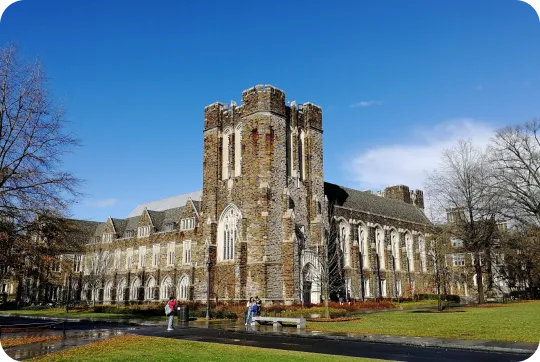
New Zealand University Campus Experience
New Zealand universities combine academic excellence with outdoor lifestyle opportunities. Campus facilities include modern libraries, research laboratories, sports centers, and student support services. International student offices assist with academic advising, visa questions, and cultural adjustment. Student associations organize clubs, sports teams, and cultural events throughout the academic year. Housing options range from university halls of residence to homestays with local families and shared flats. Cities like Auckland and Wellington offer vibrant nightlife, while Dunedin and Christchurch provide tight-knit student communities. Adventure activities—hiking, skiing, and water sports—are accessible from most campuses.
Apply Now
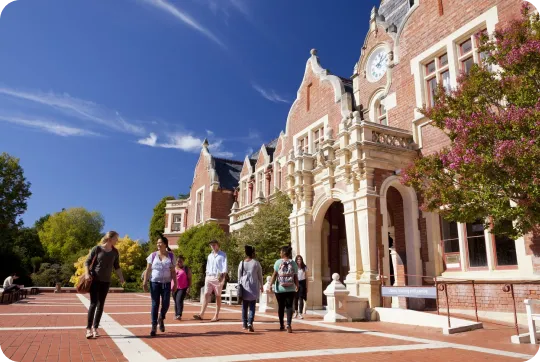
Research and Academic Programs
New Zealand universities invest heavily in research across agriculture, environmental science, health, and technology. Graduate students can access funded research positions and collaborate with industry partners on practical projects. PhD candidates often receive domestic tuition rates regardless of nationality, significantly reducing costs. The New Zealand Qualifications Framework (NZQF) ensures degree recognition across Commonwealth countries and beyond. Universities maintain partnerships with research institutions in Australia, Europe, and North America, providing exchange opportunities and collaborative projects. Graduates gain qualifications recognized by employers and professional bodies worldwide.
Apply Now
Life in New Zealand for Pakistani Students
New Zealand provides a safe, English-speaking environment where international students integrate easily. Major cities offer halal food options, Islamic centers, and small but welcoming Pakistani communities. Living costs vary significantly—Auckland requires NZD $2,000-2,500 monthly while Christchurch and Dunedin cost NZD $1,500-1,800. Students work up to 20 hours weekly during term and full-time during breaks, earning minimum NZD $23.15 hourly. Transport cards like AT HOP (Auckland) and Snapper (Wellington) provide student discounts. Outdoor activities—from beaches to mountains—are accessible within hours of most university cities.
Apply NowHow Glommi Helps You Study in New Zealand
Our Lahore-based New Zealand education consultants provide comprehensive support for Pakistani students pursuing studies in New Zealand. Services cover university selection, admission applications, student visa processing, scholarship guidance, and pre-departure preparation. Our team understands Immigration New Zealand requirements, NZQA standards, and documentation needs, ensuring applications meet current regulations.

Selection & Counselling
Free counseling sessions covering New Zealand university options and programs

Support & Test Prep
Admission application preparation with transcript verification and coordination

Scholarship Application
Manaaki, Commonwealth, and university scholarship application support assistance

Student Visa Processing
Immigration New Zealand visa application with document review support

Planning Assistance
Funds evidence preparation and Approval in Principle guidance

Pre-Departure Support
New Zealand arrival orientation including accommodation and banking guidance