Turkish Student Visa Consultants Lahore

Turkey hosts over 200 universities including Koç, Sabancı, and Middle East Technical University. Our Lahore consultants guide Pakistani students through Turkish student visa applications, residence permits, and Türkiye Scholarship submissions.

Why Choose Turkey for Your International Education?

Turkey offers Pakistani students quality education at costs significantly lower than Western countries. Public university tuition ranges from $300 to $2,000 annually, while living expenses remain affordable across major cities. The country hosts over 250,000 international students each year, with programs available in both English and Turkish. Cultural similarities make adaptation easier for Pakistani students. Turkey is a Muslim-majority nation where halal food is standard, mosques operate across every city, and Ramadan is observed with familiar traditions. Strong diplomatic ties between Pakistan and Turkey contribute to a 95% visa approval rate for Pakistani applicants.The Türkiye Scholarships program provides fully funded opportunities covering tuition, accommodation, monthly stipends, and flight tickets.

Popular Courses & Programs for Pakistani Students in Turkey

Turkish universities offer programs across medicine, engineering, business administration, computer science, and health sciences. Pakistani students can choose between English-taught and Turkish-taught courses, with preparatory language programs available for either option. Undergraduate degrees typically require four years (six for medicine), while master's programs take one to two years depending on research requirements and specialization areas.

Medicine & Dentistry

Medical and dental programs operate through Hacettepe University, Istanbul University, and private institutions like Medipol and Biruni. Six-year programs combine classroom instruction with clinical rotations at university hospitals across Turkey's major cities.

World landmarks
World landmarks

Engineering & Technology

Computer, electrical, mechanical, and civil engineering programs function through METU, Istanbul Technical University, and Bilkent. ABET-accredited programs ensure international recognition. Graduates find positions across automotive, construction, and technology sectors throughout the region.

Business & Management

MBA programs, finance, marketing, and international business courses operate through Koç University, Sabancı University, and Bahçeşehir University. Business degrees maintain global accreditation. Programs emphasize case studies, internships, and connections with multinational corporations.

World landmarks
World landmarks

Computer Science & IT

Software engineering, artificial intelligence, cybersecurity, and data science programs emphasize practical skills alongside theory. METU, Bilkent, and Sabancı lead in technology education. Turkey's growing tech sector offers strong internship and employment opportunities for graduates.

Health Sciences

Nursing, pharmacy, physiotherapy, and public health programs include clinical placements at Turkish hospitals. Health sciences graduates qualify for positions across healthcare systems in Turkey and internationally. Programs maintain European standards and accreditation.


World landmarks
World landmarks

Social Sciences & Humanities

Psychology, international relations, economics, and political science programs develop analytical thinking and research skills. Boğaziçi University, Ankara University, and Koç University offer strong social science faculties with Erasmus exchange opportunities across European partner.

Partner Universities in Turkey

Our partnerships cover Turkish universities across Istanbul, Ankara, Izmir, and other major cities. These institutions range from prestigious public universities like Middle East Technical University and Boğaziçi University to well-equipped private institutions offering modern facilities and English-taught programs. Partner universities provide courses in medicine, engineering, business, computer science, and social sciences. Options include research-focused institutions with strong international rankings alongside affordable universities with merit-based scholarship programs for undergraduate, postgraduate, and doctoral candidates.

University Logo

Admission intake: February, September
Scholarships: Up to 50%
Top Programs: Engineering & Architecture
English Courses available
University Logo

Admission intake: February, September
Scholarships: Up to 50%
Top Programs: Medicine, Business & Engineering
English Courses available
University Logo

Admission intake: February, September
Scholarships: Up to 75%
Top Programs: Psychology & Neuroscience
English Courses available
University Logo

Admission intake: February, September
Scholarships: 50–75%
Top Programs: Aviation, Engineering & Business
English Courses available
University Logo

Admission intake: February, September
Scholarships: Up to 50%
Top Programs: Dentistry, Business & Law
English Courses available
University Logo

Admission intake: February, September
Scholarships: Up to 60%
Top Programs: Interior Design, Business & Media
English Courses available

Turkish Student Visa Process for Pakistani Students

Student visa applications require university acceptance and Ministry of Foreign Affairs approval. Our Lahore consultants guide Pakistani students through document preparation, visa appointments, financial evidence, and residence permit applications after arrival in Turkey.

01

University Acceptance

Turkish universities issue acceptance letters after reviewing applications through their online portals. Some universities use centralized systems like YÖKAS or DreamApply. Your acceptance letter serves as the primary document for your student visa application process.

02

Arrange Health Insurance

Purchase travel health insurance with minimum coverage of €30,000 before applying. Insurance must remain valid for at least 90 days from entry. Annual health insurance for students costs approximately PKR 10,000-15,000. Keep your insurance certificate accessible for your application.

03

Financial Documents

Demonstrate sufficient funds covering tuition, living expenses, & accommodation through bank statements maintained for at least three months. Show balances of approximately USD 5,000-8,000 depending on your program and city. Sponsor declarations work if accompanied by supporting evidence.

04

Visa Appointment

Book appointments through Turkish Embassy Islamabad, Consulate Karachi, or Consulate Lahore. Visa application centres like Anatolia Travel Services process submissions. Prepare all required documents including acceptance letter, passport, photographs, vaccination certificates, and financial evidence.

05

Application & Biometrics

Attend your visa appointment with complete documentation. Provide biometrics including fingerprints and photographs. Pay the visa fee of approximately PKR 18,000-21,000 in cash. Processing typically takes three to eight weeks. Apply at least two months before your semester begins.

06

Apply for Residence Permit

After arriving in Turkey, apply for your student residence permit within 30 days through e-ikamet.goc.gov.tr. Submit documents to your university's international office. The residence permit card fee is 810 TRY plus monthly taxes based on duration.

Turkish University Admission Requirements for Pakistani Students

Admission requirements differ between public and private Turkish universities. Pakistani students need academic transcripts, language proficiency evidence, and supporting documents. Many private universities accept students directly without entrance examinations, while competitive public institutions may require YÖS or SAT scores. English-taught programs often waive IELTS requirements, accepting internal proficiency tests instead.
Undergraduate Programs

High school diploma (FSc/FA/A-Levels) with minimum 60-70% marks qualifies applicants for most programs. IELTS is optional at many private universities. Applications require transcripts, passport copy, and personal statement. Semester 1 deadlines occur around June-July; Semester 2 around December-January.

Doctoral Programs

Bachelor's degrees (16-year education) with minimum 2.5-3.0 CGPA meet entry requirements. GMAT or GRE may apply for business and engineering programs. Applications need Statement of Purpose, CV, transcripts, and two recommendation letters. English proficiency through IELTS or internal examination.

Entities used

Master's degrees with strong academic records and research experience satisfy PhD requirements. Research proposals identifying potential supervisors prove essential. Türkiye Scholarships cover many doctoral candidates. Programs typically require three to four years including dissertation research and defense components.

Campus Life

Turkish University Campus Experience

Australian campuses offer experiences extending beyond academics. Student life includes clubs, sports teams, volunteer programs, and cultural societies representing diverse communities. Residence halls and purpose-built student accommodation house students in convenient locations near campus. Student unions provide dining facilities, study spaces, and recreational centres. International student services assist with academic advising, visa questions, and settlement support. Pakistani student associations organize cultural events, Eid celebrations, and community gatherings. Cities like Sydney, Melbourne, and Brisbane host mosques, halal restaurants, and South Asian grocery stores within reach of major campuses.

Apply Nowarrow
Research & Academic Opportunities

Research and Academic Programs

Turkish universities invest significantly in research across engineering, medicine, technology, and social sciences. Graduate students can participate in funded research projects while receiving stipends through Türkiye Scholarships or university assistantships. The European Credit Transfer System (ECTS) ensures degree compatibility across European institutions. Erasmus+ programs allow semester exchanges at partner universities throughout Europe at no additional cost. METU Technopolis and similar science parks connect students with technology startups and established companies. These research connections and international partnerships provide valuable experience that strengthens academic profiles and career prospects after graduation.

Apply Nowarrow
Living in Turkey

Life in Turkey for Pakistani Students

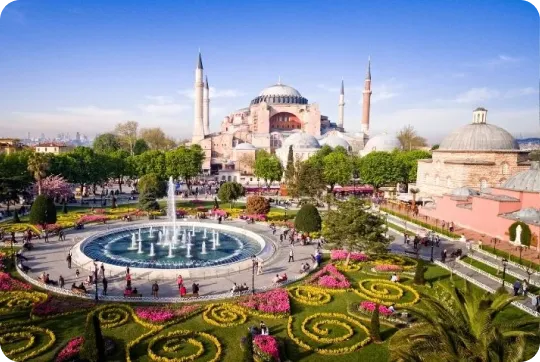
Turkey provides Pakistani students a culturally familiar environment with Islamic traditions observed nationwide. Major cities like Istanbul, Ankara, and Izmir feature mosques, halal restaurants, and South Asian grocery stores. Living costs remain affordable—Ankara and Izmir require approximately $400-600 monthly while Istanbul costs $600-800. Students can work after completing their first year with employer-sponsored work permits, earning competitive wages. Public transport systems offer student discounts through city cards like Istanbulkart. The warm Turkish hospitality, historical richness, and geographic position bridging Europe and Asia create memorable experiences throughout your studies.

Apply Nowarrow

How Glommi Helps You Study in Turkey

Our Lahore-based Turkish education consultants provide complete support for Pakistani students pursuing studies in Turkey. Services cover university selection, admission applications, student visa processing, scholarship guidance, and residence permit assistance. Our team understands Turkish university systems, YÖK requirements, and documentation standards, ensuring applications meet current regulations.

Selection & Counselling

Selection & Counselling

Free counseling sessions covering Turkish university options and programs

Support & Test Prep

Support & Test Prep

Admission application preparation with transcript verification and coordination

Türkiye Scholarship

Türkiye Scholarship

Complete scholarship application support including statement preparation assistance

Student Visa Processing

Student Visa Processing

Turkish visa application with document review and appointment scheduling

Residence Permit

Residence Permit

Post-arrival residence permit guidance through e-ikamet system support

Pre-Departure Support

Pre-Departure Support

Turkish arrival orientation including accommodation and banking guidance

Frequently Asked Questions

Tuition fees at public universities range from $300 to $2,000 annually for most programs, with medicine costing up to $5,000. Private universities charge between $4,000 and $20,000 depending on the institution and field, while medicine programs at private universities range from $12,000 to $44,000. Living expenses require approximately $400-800 monthly depending on your city—Istanbul costs more than Ankara or Izmir. Total annual costs range from $5,000-15,000 at public institutions and $15,000-30,000 at private universities. Türkiye Scholarships and university merit awards can significantly reduce or eliminate these costs.

Türkiye Scholarships is a fully funded government program supporting over 5,000 international students annually. The scholarship covers full tuition, free accommodation, monthly stipends (4,500 TRY undergraduate, 6,500 TRY master's, 9,000 TRY PhD), health insurance, round-trip flight tickets, and a one-year Turkish language course. Applications open January 10 and close February 20 each year through turkiyeburslari.gov.tr. The program includes university placement—applicants select up to 12 preferences and the scholarship committee assigns institutions. Pakistani students are among the top recipients each year due to strong Pakistan-Turkey relations.

Many Turkish universities, especially private institutions, do not require IELTS for admission. Universities often accept internal English proficiency examinations instead. Public universities with English-taught programs may have stricter requirements but typically accept TOEFL or PTE alongside IELTS. Students can also complete preparatory language programs (one year) before starting their degree. For Turkish-taught programs, students take TÖMER (Turkish language proficiency) examinations. The Türkiye Scholarships program includes a free one-year Turkish language course for all recipients regardless of prior proficiency.

After receiving your university acceptance letter, schedule an appointment at the Turkish Embassy Islamabad or Consulates in Karachi or Lahore. Required documents include valid passport (6+ months validity), acceptance letter, bank statements showing $5,000-8,000, health insurance certificate (€30,000 minimum coverage), polio vaccination certificate, and biometric photographs. The visa fee is approximately PKR 18,000-21,000. Processing takes 3-8 weeks. Pakistani students enjoy a 95% visa approval rate due to strong bilateral relations. Apply at least two months before your program starts.

After arriving in Turkey with your student visa, you must apply for a student residence permit within 30 days. Applications are made online through e-ikamet.goc.gov.tr, then documents are submitted to your university's international office or the Provincial Directorate of Migration Management. Required fees include the residence permit card (810 TRY) and monthly residence tax. Your permit remains valid throughout your study period and allows multiple entries without additional visas. The permit can be renewed before expiration by applying 60 days in advance.

Students enrolled in associate or undergraduate programs can work after completing their first year. Master's and doctoral students can work from the beginning of their programs. Work is limited to 24 hours per week, and your employer must apply for your work permit through the Ministry of Labor and Social Security. The work permit functions alongside (not replacing) your residence permit. Students typically find positions in hospitality, tutoring, retail, and language schools earning approximately $4-7 per hour. Research assistantships are available for graduate students.

Graduates can apply for a one-year short-term residence permit within six months of completing their studies. This permit allows time to seek employment. Once you secure a job, your employer applies for a work permit on your behalf through the Ministry of Labor. Initial work permits last one year and can be extended to two years, then six years. After eight years of legal employment in Turkey, you can apply for permanent residence. Researchers may be exempt from work permits for up to two years.

Istanbul offers the most opportunities but higher living costs ($600-800 monthly). The city hosts top universities including Koç, Sabancı, Boğaziçi, and Istanbul Technical University. Ankara provides a focused academic environment at lower costs ($400-600 monthly) with METU, Hacettepe, and Bilkent University. Izmir combines coastal lifestyle with quality education at mid-range costs. Eskişehir is nicknamed "student capital" with extremely affordable living and strong universities like Anadolu University. Pakistani student communities exist in all major cities with active associations organizing cultural events.

Yes, multiple scholarship options exist. University-specific scholarships offer 25-100% tuition waivers based on academic merit—apply directly through each institution. The Turkish Diyanet Foundation provides scholarships for Islamic studies. HEC Pakistan occasionally supports students studying abroad. Erasmus+ programs cover exchange semester costs across European partner universities. Some private universities offer scholarships for high SAT or YÖS scores. Graduate research assistantships provide tuition waivers plus monthly stipends. Merit-based early payment discounts (5-10%) are available at many private universities.

Public universities include Middle East Technical University (METU) in Ankara—ranked in the global top 500 with all programs in English—Boğaziçi University in Istanbul known for rigorous academics, Istanbul Technical University (founded 1773), and Hacettepe University excelling in medicine. Private/foundation universities include Koç University (top-ranked overall), Sabancı University (interdisciplinary approach), and Bilkent University (Turkey's first private non-profit). All ten Turkish universities in the QS World Rankings maintain strong international reputations and attract students from over 150 countries.

Associate degrees require two years (120 ECTS credits). Bachelor's degrees typically take four years (240 ECTS), except medicine and dentistry which require six years. Master's programs last one to two years (60-120 ECTS) depending on thesis requirements. Doctoral programs require three to four years including dissertation research. Turkish universities follow the European Credit Transfer System (ECTS), ensuring credit compatibility with European institutions through the Bologna Process. This makes transfers and further studies in Europe straightforward for Turkish graduates.

Turkey maintains a welcoming environment for international students, with over 250,000 studying there annually. Major student cities like Istanbul, Ankara, and Izmir are cosmopolitan with low crime rates in university areas. As a Muslim-majority country, Pakistan-Turkey cultural similarities help students feel comfortable. University campuses have security measures and international student support services. Student associations provide community connections. The government actively supports international education through dedicated offices and helplines including YIMER (dial 157) for foreigner assistance available 24/7 in multiple languages.

Required documents typically include high school diploma or bachelor's degree certificate (for graduate programs), academic transcripts, valid passport copy, biometric photographs, and English proficiency evidence (IELTS, TOEFL, or internal test result). Graduate applicants need Statement of Purpose, CV/resume, and two recommendation letters. Some programs require GMAT, GRE, or portfolio submissions. Türkiye Scholarship applications require motivation letter and research proposal (for PhD). Our consultants verify documents and ensure certified translations where required before submission.

Most Turkish universities have two intakes: Fall Semester (September) and Spring Semester (February). Application deadlines typically fall 3-4 months before semester start—June/July for Fall and December/January for Spring. Türkiye Scholarship applications open January 10 and close February 20 each year, with results announced in June/July. Early applications improve scholarship chances and accommodation options. Allow 3-8 weeks for visa processing after receiving your acceptance letter. Our consultants help create application timelines ensuring all deadlines are met comfortably.

YÖS (Yabancı Uyruklu Öğrenci Sınavı) is an entrance examination for international students applying to Turkish public universities. The test covers mathematics and basic aptitude questions. Each university conducts its own YÖS, and scores are accepted by multiple institutions. Some universities now accept SAT scores as YÖS equivalents. Private universities generally do not require YÖS, admitting students directly based on high school diplomas. Türkiye Scholarship applicants do not need YÖS scores—the scholarship program handles university placement separately.

Students can bring spouses and dependent children to Turkey. Family members apply for dependent residence permits after the primary student obtains their residence permit. You must demonstrate sufficient financial resources covering additional family members. Spouses can apply for work permits through employers. Children can attend Turkish schools, though international schools in Istanbul and Ankara charge significant fees. Family residence permit applications follow similar procedures through e-ikamet.goc.gov.tr with additional documentation proving family relationships.

Turkish cuisine shares many similarities with Pakistani food, making adjustment easy. Halal food is standard throughout Turkey as a Muslim-majority country—no need to search for special restaurants. Kebabs, rice dishes, grilled meats, and flatbreads are familiar staples. Turkish breakfast culture emphasizes fresh ingredients, cheese, olives, and bread. Vegetarian options include olive oil-based vegetable dishes (zeytinyağlılar) and lentil soups (mercimek çorbası). South Asian grocery stores in major cities stock Pakistani spices and ingredients. University cafeterias serve affordable halal meals.

KYK (Kredi ve Yurtlar Kurumu) government dormitories offer the most affordable option at approximately $50-150 monthly including meals. Applications are made through KYK's online portal after receiving your residence permit. Private dormitories cost $150-300 monthly with better facilities and more privacy. Shared apartments range from $200-400 monthly depending on the city and neighborhood. Istanbul is most expensive while Ankara, Izmir, and smaller cities offer better value. Many universities assist international students with accommodation arrangements through their international offices.

Yes, Turkish universities are internationally accredited and degrees are recognized worldwide. The European Credit Transfer System (ECTS) ensures compatibility with European institutions. Engineering programs at leading universities hold ABET accreditation. Medical degrees are recognized by WHO and graduates can pursue licensing in other countries. Business programs maintain AACSB and EQUIS accreditations at top institutions. Bologna Process membership means Turkish degrees are equivalent to European qualifications, facilitating further studies or employment across EU countries.

Turkey has diverse climates across its regions. Istanbul and coastal areas experience Mediterranean weather with mild winters and warm summers. Ankara has a continental climate with colder winters and hot summers. Izmir and Antalya enjoy warmer temperatures year-round with mild winters. Students should prepare for variable weather—winters in Istanbul and Ankara require warm clothing while summers are pleasant. This climate diversity allows students to experience different environments throughout the country during their studies.

Ready to Apply for Turkey Immigration?

Achieve your dreams of Living in New Zealand, consult our experienced Immigration Consultants

img
Get notified when we
have any updates
© 2026 | Developed and Marketed by Xcentric Services.