Skilled Immigration to Serbia and Slovenia: Requirements and Process
2 January 2025
As skilled professionals increasingly look for new opportunities abroad, Serbia and Slovenia have become top choices for individuals seeking to advance their careers and experience a different lifestyle. These two Southeast European countries offer not only promising job markets but also a rich cultural experience, a high standard of living, and a welcoming environment for immigrants. Whether you're looking for a more affordable cost of living, better career opportunities, or simply a fresh start, both Serbia and Slovenia present unique advantages for skilled workers.
In this blog, we will explore the requirements, processes, and key factors you need to consider when choosing Serbia or Slovenia for your immigration journey. We'll also discuss important details like the Serbia work visa success rate, Slovenia work visa success rate, and how you can navigate the immigration processes in both countries.
For expert guidance on skilled immigration to Serbia or Slovenia, Glommi.co is here to help. Contact us at Phone: 0304-1110419 and Email: hello@glommi.co today for personalized support throughout your immigration journey.
In this blog, we will explore the requirements, processes, and key factors you need to consider when choosing Serbia or Slovenia for your immigration journey. We'll also discuss important details like the Serbia work visa success rate, Slovenia work visa success rate, and how you can navigate the immigration processes in both countries.
Why Choose Serbia and Slovenia?
Before diving into the immigration process, it’s important to understand why these countries are appealing choices for skilled workers.Serbia
- Affordability: Serbia uses the Serbian dinar (RSD), which offers a favorable exchange rate for many international workers, resulting in a lower cost of living compared to other European countries.
- Economic Growth: Serbia’s economy has grown rapidly, particularly in the fields of information technology, engineering, and manufacturing, leading to a growing demand for skilled professionals.
- Immigration Options: Immigration to Serbia has been increasingly streamlined, with multiple visa options available for skilled workers. Additionally, Serbia's work visa success rate has been favorable, reflecting the country’s welcoming stance toward skilled labor.
- Cultural Richness: Serbia offers a dynamic cultural scene with a rich history, making it an attractive destination for professionals seeking both career growth and a vibrant lifestyle.
Slovenia
- European Union Access: As a member of the EU, Slovenia provides skilled professionals access to the broader European market. This also means that those working in Slovenia can easily explore employment opportunities in other EU countries.
- Currency: Slovenia uses the Euro (EUR), offering stability and broader financial integration with the EU.
- Immigration by Investment: Slovenia offers opportunities for skilled workers through immigration to Slovenia by investment and business immigration programs, which can simplify the visa process for those looking to start businesses or invest in the country.
- High Quality of Life: Known for its beautiful landscapes, excellent healthcare, and work-life balance, Slovenia ranks high in terms of living standards, making it an attractive destination for professionals.
Skilled Immigration to Serbia: Requirements and Process
Serbia offers a favorable immigration policy for skilled professionals, making it a great option for those seeking to relocate. Here’s an overview of the key steps and requirements for immigration to Serbia:1. Eligibility Requirements for Serbia Work Visa
The general requirements for skilled immigration to Serbia are as follows:- Work Experience: A minimum of 3-5 years of experience in a relevant field is typically required.
- Educational Qualifications: A recognized degree or certification in a skill-based profession, such as technology, healthcare, or engineering, is necessary.
- Job Offer: Having a job offer from a Serbian employer is not always mandatory but can greatly improve your chances of obtaining a work visa.
- Serbia Work Visa Processing Time: The Serbia work visa processing time typically takes between 2-4 weeks, depending on the type of visa being applied for and the completeness of your application.
2. Visa Types and Application Process
- Temporary Stay Visa: Ideal for professionals who intend to stay for up to 12 months. After securing a job, applicants can apply online for this visa through the Serbian Ministry of Interior’s official portal.
- Permanent Residency: Skilled workers who have lived in Serbia for a few years and contributed to the workforce may qualify for permanent residency.
- Serbia Work Visa Success Rate: The success rate for Serbia work visa applications is generally favorable, provided all required documents are in order and the applicant meets the necessary criteria.
3. How to Apply for Serbia Work Visa
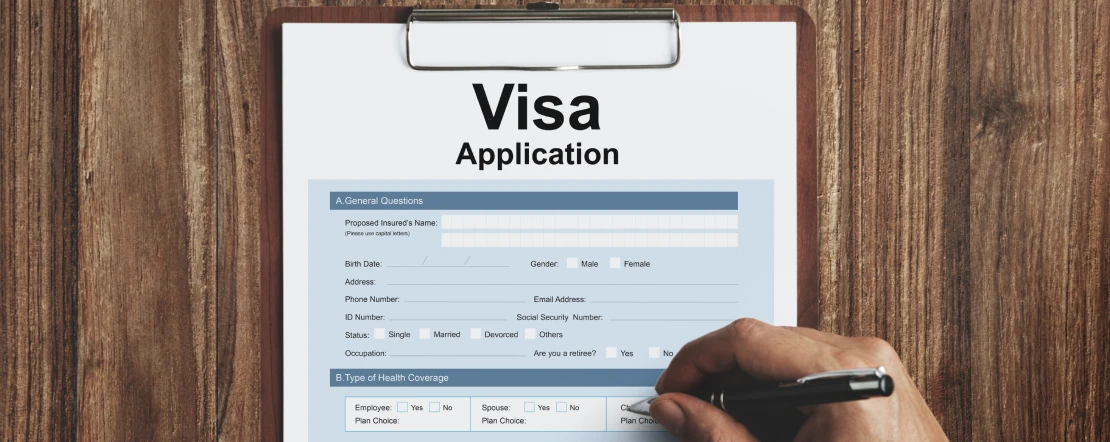
- Visa Application Online: Applicants can apply for a Serbian work visa online via the official Serbian government website. The process includes filling out forms, submitting necessary documentation, and waiting for approval.
- Required Documents: This typically includes a valid passport, proof of qualifications, work experience, and a job offer (if applicable).
4. Serbia Work Visa Ratio 2024
The Serbia work visa ratio for 2024 indicates that skilled professionals with in-demand skills, such as IT professionals and engineers, have a higher chance of obtaining work visas. Serbia is actively encouraging skilled professionals to apply for residence and employment in the country.Skilled Immigration to Slovenia: Requirements and Process
Slovenia, as an EU member, has specific visa requirements for skilled immigration. Here's an overview of the key steps:1. Eligibility for Slovenia Work Visa
-
Work Experience: As with Serbia, applicants should have relevant work experience (usually 3-5 years).
Educational Background: A recognized qualification in your field is essential, especially for highly skilled positions.
Job Offer: A job offer from a Slovenian employer can be beneficial, but it is not mandatory for some visa types.
Slovenia Work Visa Success Rate: The Slovenia work visa success rate is typically high, especially for qualified professionals in fields like technology, finance, and healthcare.
2. Types of Visa and Permits
- EU Blue Card: For highly skilled professionals from non-EU countries, the EU Blue Card is a common visa type. Applicants must meet certain salary requirements, typically at least 1.5 times the average Slovenian wage.
- Temporary Residence Permit: This is available for those who have secured employment in Slovenia. It is issued for up to one year, with the possibility of extension.
- Slovenia Immigration by Investment: Individuals looking to immigrate to Slovenia via investment can explore various options, including business immigration to Slovenia. This allows entrepreneurs and investors to apply for a residence permit.
3. Slovenia Visa Processing and Application
- Visa Application: Skilled workers can apply for a Slovenia work visa by submitting their application to the Slovenian Ministry of the Interior or through their nearest embassy. The Slovenia visa processing time can range from a few weeks to several months, depending on the visa type.
- Documents Required: As with Serbia, applicants must submit documents such as a passport, educational qualifications, work experience, and a job offer (if applicable).
4. Is it Easy to Immigrate to Slovenia?
While Slovenia offers attractive immigration options, including investment programs, the process may be more competitive compared to Serbia due to the country's EU membership and the higher demand for skilled labor.Key Factors to Consider When Choosing Between Serbia and Slovenia
Cost of Living:
Serbia offers a lower cost of living, making it an affordable option for many immigrants. Slovenia, however, offers a higher standard of living but comes with higher living costs, particularly in its capital, Ljubljana.Language:
While both countries have their languages (Serbian and Slovenian), English is widely spoken in professional settings, especially in larger cities.Economic Opportunities:
Both countries offer growing job markets, but Slovenia benefits from being part of the EU, offering access to more extensive European job opportunities.Visa Success Rates:
Both countries generally have high work visa success rates, but applicants should ensure that they meet all the requirements for the best chances of approval.
Conclusion
Choosing the right country for skilled immigration is a significant decision. Both Serbia and Slovenia offer valuable opportunities for skilled professionals, but it’s essential to consider factors such as visa processing time, work visa success rate, and cultural fit before making your decision. Whether you're considering immigration to Serbia for its affordability and growing economy or immigration to Slovenia for access to the EU and a higher standard of living, both countries present excellent options for skilled workers looking to build their future abroad.For expert guidance on skilled immigration to Serbia or Slovenia, Glommi.co is here to help. Contact us at Phone: 0304-1110419 and Email: hello@glommi.co today for personalized support throughout your immigration journey.

Ali Kazmi


Other Blogs

March 10, 2026
Best Courses to Study
When selecting the ideal programs for studying abroad, students have to consider many factors and realize that it is one of their most important choices before traveling...

February 25, 2026
Study Abroad in 2026
Complete guide for Pakistani students planning to study abroad after Matric or 12th grade in 2026...

February 20, 2026
How to Study Nursing
Study nursing in Canada with this comprehensive guide for international students covering fees, IELTS, NCLEX, PGWP, and PR pathways.